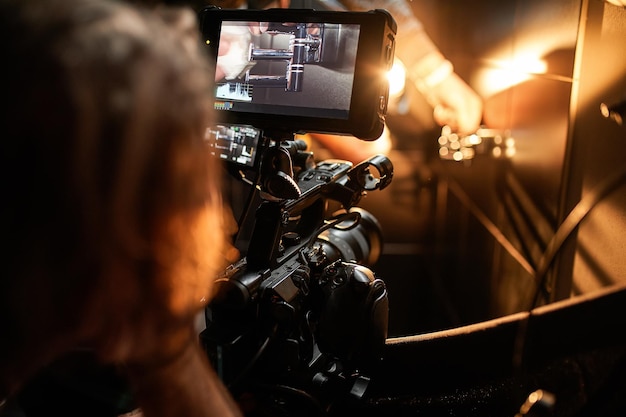
A System Built on Technical Craft and Creative Understanding
How we approach cinematography to consistently deliver content that serves your vision
Return HomePrinciples That Guide Every Project
Content Serves Purpose
Every technical decision should advance your goals. Beautiful cinematography that doesn't serve the message is just decoration. We start by understanding what you're actually trying to accomplish, then apply technique in service of those objectives. This means sometimes choosing simpler approaches when they better serve the story.
Process Over Formula
There's no universal template that works for every project. Your content emerges from understanding your specific situation, audience, and constraints. We've developed frameworks that guide our work, but they adapt based on what each project actually needs rather than forcing projects into predetermined approaches.
Collaboration Shapes Quality
The best outcomes happen when client input and technical expertise inform each other. You understand your message and audience better than anyone else. We understand how cinematography communicates visually. Combining those perspectives produces better work than either alone could achieve.
Preparation Enables Flexibility
Thorough planning paradoxically makes it easier to adapt when circumstances change. When we've thought through contingencies and understood the core requirements, we can respond to unexpected situations without compromising essential elements. Spontaneity works better with a solid foundation.
These principles developed through years of production work across different contexts. They're not theoretical positions but practical responses to what actually produces satisfying outcomes for clients and effective content for audiences.
The FrameLight Approach
Our methodology breaks down into distinct phases, each building on the previous to create cohesive final content
Discovery & Alignment
We begin by understanding your objectives, constraints, and vision. This involves detailed conversations about what you're creating, who it's for, and what success looks like. We explore reference materials, discuss tone and style preferences, and identify any technical requirements or limitations.
This phase determines whether we're the right fit and establishes shared expectations before committing resources.
Treatment Development
We translate conceptual discussions into concrete visual plans. This includes creating treatments that outline narrative structure, developing shot lists that detail specific footage needs, and establishing visual language through mood boards and technical specifications.
You review and provide feedback on these materials, ensuring alignment before production begins.
Pre-Production Logistics
Practical preparation ensures production days run efficiently. This involves location scouting and securing permits, equipment selection and rental coordination, crew hiring when additional support is needed, and scheduling that accounts for all necessary elements.
Thorough logistics work prevents surprises and allows focus on creative execution during filming.
Production Execution
Filming brings plans to life through technical expertise and creative problem-solving. We manage lighting setups that create intended atmosphere, camera work that captures necessary coverage and visual interest, audio recording that ensures clean sound, and on-set direction that guides subjects or talent.
Throughout filming, we maintain focus on capturing what's needed while remaining flexible to unexpected opportunities.
Editorial Assembly
Post-production transforms raw footage into cohesive narrative. We assemble rough edits that establish structure and pacing, refine cuts based on your feedback, integrate audio mixing and sound design, and develop color grading that unifies visual tone.
This iterative process involves regular client review points to ensure the edit serves your vision.
Delivery & Support
Final delivery includes all agreed formats and specifications. We provide master files suitable for archival, distribution-ready versions optimized for various platforms, and any additional formats your implementation requires.
Post-delivery support addresses technical questions and provides guidance on content deployment and use.
Adaptation Throughout
While this structure provides a framework, each phase adapts based on project specifics. Documentary work might emphasize observational filming over rigid planning. Commercial projects might require extensive pre-visualization. Music videos often involve more conceptual development. The methodology remains consistent in its approach while flexing to serve different content types.
Technical Standards and Professional Protocols
Professional cinematography relies on established technical standards that ensure quality and compatibility. We work within recognized industry frameworks for color science, resolution standards, audio specifications, and file management. These aren't arbitrary preferences but proven protocols developed through decades of production work.
Our equipment selection prioritizes reliability and image quality over novelty. Cinema-grade cameras provide color depth and dynamic range that consumer equipment can't match. Professional lighting instruments offer control and consistency necessary for repeatable results. Audio recording gear captures clean sound with appropriate frequency response and low noise floors.
Quality assurance happens at multiple stages. We monitor exposure and focus during filming, verify file integrity through production, and maintain consistent color spaces through post-production. This systematic approach prevents problems from accumulating and reduces revision needs.
Technical Specifications
- • 4K minimum capture resolution for future flexibility
- • Log color profiles for maximum grading latitude
- • Professional codec selection based on workflow needs
- • Redundant backup systems during production
Safety and Compliance
- • Public liability insurance for location filming
- • Electrical safety protocols for lighting setups
- • Location permit acquisition and compliance
- • Health and safety considerations for crew and subjects
Where Standard Production Often Struggles
Many video production services operate on efficiency models that prioritize speed and cost reduction. This makes sense for certain content types, but it creates predictable limitations. Template-based approaches produce consistent results at the expense of customization. Tight timelines prevent the preparation that produces thoughtful work. Budget constraints lead to equipment and crew choices that compromise quality.
The issue isn't that faster, cheaper production is inherently wrong. It's that certain objectives require approaches that can't be rushed or simplified. If you need content that differentiates your brand, communicates complex ideas clearly, or creates lasting impression, the efficiency model often falls short.
Our methodology addresses these gaps by allocating appropriate time for planning, using equipment that provides necessary quality headroom, and maintaining focus on serving your specific needs rather than standardized processes. This requires higher investment but produces outcomes that justify the difference.
Common Issue
Generic visual treatment that could apply to any brand
Our Approach
Customized visual language developed from understanding your specific identity and audience
Common Issue
Rushed production schedules that limit creative exploration
Our Approach
Realistic timelines that allow for proper preparation and thoughtful execution
Common Issue
Limited client involvement in creative decisions
Our Approach
Collaborative process that values your input throughout production
What Makes This Approach Distinct
Integrated Creative and Technical Thinking
Many cinematographers focus primarily on technical execution or prioritize artistic vision over practical constraints. We see these as inseparable aspects that must inform each other. Creative choices need technical feasibility. Technical capabilities should serve creative goals. This integrated thinking produces work that's both visually compelling and practically achievable.
Format-Specific Expertise
Working across commercial, documentary, and music video contexts has developed understanding of how different formats function. Commercial work requires precision and brand consistency. Documentaries need authenticity and observational skill. Music videos allow experimental approaches and artistic risk. Knowing how to shift between these modes means we bring appropriate methodology to each project type.
Contemporary Tools with Timeless Principles
We use current technology but don't chase trends for their own sake. New camera systems, lighting techniques, and post-production tools get adopted when they solve real problems or expand creative possibilities. However, the fundamentals of composition, lighting, and storytelling remain constant. This balance keeps our work current without becoming dated quickly.
London Creative Network
Being based in London's Fitzrovia area provides access to specialized crew, rental houses, and production resources. It also means regular exposure to diverse creative work through the city's film and advertising communities. These connections enhance what we can offer clients while keeping us engaged with evolving industry practices.
How We Track Progress and Success
Measuring creative work presents challenges since outcomes often involve subjective elements. However, we've developed frameworks that help assess whether projects achieve their objectives while maintaining quality standards.
During pre-production, we establish clear success criteria. What does completed project need to accomplish? What are the must-have elements versus nice-to-have additions? What constraints or limitations need respect? These discussions create shared understanding of project goals.
Throughout production, we monitor whether we're capturing necessary footage, maintaining schedule, and staying within budget parameters. Post-production tracking focuses on whether the edit communicates intended message, matches established visual treatment, and meets technical delivery specifications.
Project Milestones
- → Treatment approval confirming aligned vision
- → Successful production days meeting coverage needs
- → Rough cut demonstrating narrative structure
- → Final delivery matching agreed specifications
- → Client satisfaction with completed work
Quality Indicators
- → Technical standards met for all deliverables
- → Visual consistency throughout the content
- → Clear communication of intended message
- → Efficient workflow with minimal revision needs
- → Content effectiveness for intended use
Realistic Expectations
Success looks different for every project. A commercial might prioritize clear product presentation and brand alignment. A documentary focuses on authentic storytelling and emotional resonance. A music video emphasizes creative expression and visual memorability. We adjust success criteria based on what your specific content needs to achieve, ensuring measurements align with actual goals rather than generic standards.
Experience Applied to Your Advantage
Our methodology evolved through direct production experience rather than theoretical frameworks. Years of working across commercial advertising, documentary storytelling, and music video creation have revealed what actually produces satisfying client outcomes and effective content. This practical knowledge informs how we approach new projects.
London's position as a major creative hub provides continuous exposure to high-level production work and evolving industry practices. We maintain relationships with experienced crew members, stay current with equipment developments, and observe how different approaches serve various content objectives. This environment keeps our methodology relevant and informed.
The competitive advantage we offer comes from understanding how to match approach to need. Not every project requires maximum complexity or highest-end equipment. Some situations benefit from observational methods while others need precise choreography. Experience teaches when to apply which techniques, ensuring appropriate solutions rather than one-size-fits-all approaches.
Technical capability matters, but it's the foundation rather than the complete offering. What ultimately serves clients is the ability to translate their vision into realized content through systematic process, collaborative communication, and attention to both creative and practical requirements. That combination is what our methodology aims to deliver consistently.
See How This Approach Could Serve Your Project
Let's discuss your objectives and explore whether our methodology aligns with what you need
Start a Conversation